SMK Kristen Nusantara Kudus Sekolah Menengah Kejuruan Kristen Nusantara Kudus
Discover the Best Non Surgical Lifting in Korea for a Fresh, Natural Glow
Non surgical lifting Korea is the definitive answer for anyone who demands dramatic facial rejuvenation without a scalpel. By harnessing advanced energy-based technologies like focused ultrasound and radiofrequency, this approach penetrates deep into the skin’s foundational layers to stimulate collagen and elastin production, effectively lifting sagging tissue and sculpting the jawline. The result is a tauter, more defined contour that emerges gradually over weeks, delivering natural-looking firmness with zero downtime and no incisions. To use it, simply schedule a session with a certified specialist in Seoul, where targeted pulses are applied to key facial zones in under an hour—then walk out and resume your day immediately.
What Exactly Is a Non-Surgical Face Lift and How Does It Work in Korea?
A non-surgical face lift in Korea is a procedure that uses technologies like high-intensity focused ultrasound (HIFU), radiofrequency (RF), or threads to lift and tighten sagging skin without incisions or general anesthesia. It works by delivering targeted energy to the deeper layers—the SMAS and dermis—which triggers immediate collagen contraction and long-term regeneration, effectively repositioning the skin’s structural support. In Korea, this is refined as a multi-layered approach: a specialist maps your facial fat compartments and applies different energy depths to create a natural, vertical lift, especially around the jawline and cheekbones. The result is a gradual but visible firming over 2–3 months, with zero downtime.
You’re not pulling skin; you’re coercing your body to rebuild the scaffolding that holds it up.
The Core Technologies Behind Korean Lifting Procedures
Korean non-surgical lifts hinge on three core technologies: **high-intensity focused ultrasound (HIFU)**, radiofrequency (RF) energy, and dissolving thread lifts. HIFU delivers targeted thermal coagulation deep at the SMAS layer, triggering immediate collagen contraction and long-term neocollagenesis. RF, often microneedle-based, heats the dermis to tighten lax skin with minimal downtime. Meanwhile, PDO or PLLA threads are physically inserted to mechanically lift sagging tissue while stimulating fibrous scaffolding. Clinics layer these modalities—starting with threads for structural support, then adding HIFU or RF for volumetric tightening—to target different depths in a single session.
Korean lifts combine HIFU, RF, and dissolving threads to mechanically reposition tissue and thermally rebuild collagen at multiple facial depths.
Why Korean Clinics Excel at Collagen-Stimulating Lifts
Korean clinics excel at collagen-stimulating lifts by pairing advanced devices with a deeply layered treatment strategy. Rather than relying on a single modality, practitioners typically combine high-intensity focused ultrasound (HIFU), radiofrequency microneedling, and polydioxanone (PDO) thread lifting to target different depths of the dermis and subcutaneous tissue. This multi-pronged approach triggers a more robust and sustained neocollagenesis, as each technology stresses fibroblasts through distinct thermal or mechanical pathways. Furthermore, Korean clinics prioritize sequential treatment protocols—often spacing sessions three to four weeks apart—to align with the natural collagen remodeling cycle, yielding cumulative firmness and volume restoration that surpasses the results of isolated procedures. This meticulous, protocol-driven methodology is why Korea is a global benchmark for collagen-stimulating lift outcomes in non-surgical facial rejuvenation. The emphasis on layered collagen induction ensures visible tightening within weeks, while progressive improvements continue for several months after the final session.
Which Non-Invasive Lifting Methods Are Most Popular in Seoul Right Now?
In Seoul right now, the most sought-after non-invasive lifting methods center on **ultrasound and radiofrequency** technologies, with Shurink (focused ultrasound) and Recosign (hybrid RF+ultrasound) dominating consultations for immediate collagen contraction and jawline definition. Patients also frequently combine these with Volnewmer, a selective RF treatment that tightens deep fat compartments, for lower-face contouring without downtime. For those targeting fine lines, monopolar RF like Thermage FLX remains a staple, though many clinics now push dual-format devices for layered results. Q: Which method gives the fastest visible lift in Seoul? A: Shurink offers an immediate tightening sensation and subtle lift within one session, while full collagen remodeling peaks at 6–8 weeks. Practically, your clinic will map facial thickness and pain tolerance—ultrasound suits thinner skin, RF suits laxer tissue—so a personalized combination is the norm here, not a single device.
Comparing Thread Lifts, HIFU, and RF Microneedling for Different Skin Types
When comparing thread lifts, HIFU, and RF microneedling for different skin types in Seoul, thin or dehydrated skin responds best to RF microneedling for different skin types, as its fractional energy bypasses the epidermis to stimulate collagen without thermal damage to fragile surface layers. Thicker, oily skin often tolerates HIFU’s deep ultrasound penetration, which targets the SMAS layer for lifting, but this modality can exacerbate subdermal fat loss in thin faces. Thread lifts, using PDO or PLLA barbs, suit normal to slightly lax skin, yet they risk visible dimpling in very thin skin or poor anchoring in very elastic, thick skin. In practice, Seoul dermatologists layer these—RF microneedling for texture on thin skin, HIFU for structural lift on thick skin, and threads for focal sagging—while avoiding HIFU or deep threads on atrophic or highly vascularized skin types.
The “Korean Cocktail” Approach: Combining Lifting Treatments for Instant vs. Long-Term Results
In Seoul, the “Korean Cocktail” approach layers distinct lifting modalities to address both immediate needs and structural longevity. You might combine a high-intensity, instant-tightening treatment like Ultherapy or Shurink for deep SMAS stimulation with a dermal booster or thread-lifting technique for immediate volumization and collagen scaffolding. The strategy is deliberate: rapid results satisfy your reflection in the mirror, while the slower, progressive collagen remodeling ensures the lift matures and holds over months. This synergy prevents the “deflated” look that can occur when only one energy-based device is used, creating a seamless transition from superficial firmness to deep tissue support. Sofwave in seoul Clinics often schedule these treatments weeks apart or stack them in one session, depending on your skin’s tolerance and downtime capacity. The “Korean Cocktail” approach prioritizes staged synergy over a single-device fix, making it the most requested protocol for patients wanting both instant gratification and durable anatomical repositioning.
Q: Can the “Korean Cocktail” approach realistically produce noticeable firmness on the same day as the procedure?
Yes—the instant component (e.g., a lifting thread or high-frequency HIFU) gives immediate mechanical lift and tightening, while the long-term component (e.g., collagen-stimulating fillers or radiofrequency) works over 2–6 months. You see a “before and after” at the clinic door, but the real structural payoff appears as new collagen matures, so the cocktail balances your urgency with biological patience.
How to Choose the Right Non-Surgical Lift for Your Face Shape and Age

In Seoul, choosing a non-surgical lift begins not with a trendy clinic, but with a honest look in the mirror—your face shape dictates the thread type, not the other way around. For a round face, Korean practitioners often recommend PDO cog threads to define the jawline, while a long oval face needs vertical lifting with volumizing fillers to avoid pulling it longer. Age matters equally: in your 30s, Ultherapy firms early laxity, but after 45, thread lifts paired with collagen-stimulating polydioxanone are standard here because they rebuild structure beneath sagging skin. In Gangnam consultations, they always trace your bone structure first—a high cheekbone absorbs tension differently than a flat midface. The real secret? Ask for a simulation photo taken in natural light, so the lift respects your unique proportions, not a copy-paste K-beauty ideal.
Key Factors: Skin Laxity, Fat Volume, and Your Target Recovery Time
When picking a non-surgical lift in Korea, your skin laxity and fat volume are the real deciding factors—not just your age. If you have mild laxity and decent volume, thread lifts give quick results, but for deeper sagging with lost facial fat, focused ultrasound or RF tightening is smarter because it firms the dermis without pulling. Your fat distribution also matters: a gaunt face needs volume-preserving options, while a fuller face responds better to energy-based tightening. And your target recovery time seals the deal—threads need a few days, while ultrasound has zero downtime. Match these three to your reality, and you’ll pick the right non-surgical lift for your unique facial structure without overdoing it.
Reading Between the Lines: What Your Consultation in Korea Should Cover

During your consultation for a non-surgical lift in Korea, **reading between the lines** means probing beyond the presented before-and-after photos. Ask specifically which threads or ultrasound depths the doctor recommends for your midface versus jawline, and request a tactile explanation of expected skin laxity changes over six months. Clarify how the clinic defines “natural” results, and request a visual simulation on your own facial proportions, not a generic model. Inquire about pain management protocols and the exact recovery timeline for your age group. If the doctor hesitates on your bone structure’s impact on thread anchoring, treat that as a red flag. Compare two different clinic approaches side-by-side for your specific facial zones before committing.
What Is the Actual Procedure Like From Arrival to Aftercare?
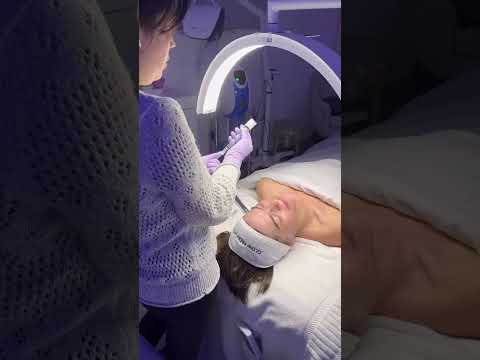
You walk into the clinic, and a translator greets you before you even sit down—after a quick skin consultation, you’re led to a clean room where a numbing cream is slathered on your face for about 30 minutes. The actual lifting procedure, usually with ultrasound (like Ultraformer) or radiofrequency (like Volnewmer), feels like warm pricks and a slight tugging sensation, lasting roughly 40 to 60 minutes depending on your target zones. There’s no downtime, so you can grab a coffee right after, though your skin will feel tight and look slightly flushed for a few hours. The real trick is that the clinic hands you a cooling mask before you leave, which cuts that redness way down. For aftercare, they give you a small sheet with instructions: avoid saunas and intense workouts for a week, skip retinol for a few days, and use only gentle cleansers. You’ll return for a quick check-up photo at 2–4 weeks, but most people see the firming effect peak around month three, with no needles or stitches to manage at all.
A Step-by-Step Timeline of a Typical Lifting Session in a Gangnam Clinic
Upon arrival at a Gangnam clinic, you check in and complete a brief skin assessment, then move to a consultation room where the practitioner maps your specific sagging points. The session begins with a 20-minute numbing phase using topical anesthetic, followed by ultrasound or RF energy delivery in a grid pattern, typically taking 30–40 minutes. Immediate post-procedure care involves a cooling mask and a serum application to reduce redness, concluding with written aftercare instructions. This structured flow ensures efficiency and minimal downtime.
- The initial numbing phase lasts about 20 minutes, prioritizing comfort.
- Energy application is systematically mapped to target mid-face and jawline.
- The cooling aftercare step runs for 10–15 minutes before you leave.
Pain Levels, Anesthesia Options, and What You Feel During the Process
Most non-surgical lifting procedures in Korea begin with a topical anesthetic cream applied for 20–30 minutes, ensuring the initial needle pricks feel like quick pinches rather than sharp pain. Depending on the lift type—thread, HIFU, or RF—clinics offer optional local nerve blocks or numbing injections for deeper energy penetration. During thread lifts, you’ll feel pressure and a mild tugging sensation as the barbs anchor, but no burning if anesthetic is layered correctly. HIFU and RF deliver a tolerable heat pulse, described as a rubber-band snap, with momentary warmth. Mild soreness or throbbing may persist for hours, managed with ice packs and over-the-counter pain relief.
Expect manageable discomfort, not agony: topical numbing, optional blocks, and quick heat-pulse sensations define pain levels, anesthesia options, and what you feel during the process.
What Results and Downtime Can You Really Expect After a Korean Lifting Treatment?
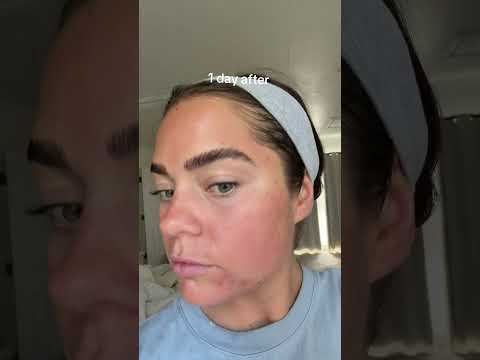
After a non surgical lifting Korea session, you can expect immediate, subtle tightening, but the real collagen-boosting results unfold over two to three months as your skin firms and lifts progressively. Downtime is refreshingly minimal—most patients experience mild redness and slight swelling for a few hours to a day, easily hidden with makeup. For deeper threads or focused ultrasound, expect up to two days of tenderness and minor bruising, though you can return to work the next morning. The results and downtime after a Korean lifting treatment balance beautifully: firming peaks around six weeks, lasts a year or more, while you never need a single day off. Plan for light activity immediately, skip intense exercise and saunas for three days, and you’ll enjoy a natural, lifted contour without the social pause.
Immediate vs. Gradual Changes: The Timeline of Visible Improvement
The first thing you’ll notice after a Korean lifting treatment isn’t the lift—it’s the glow and slight plumpness from swelling, which peaks around day two or three. That’s the immediate but temporary effect, not the real result. True collagen remodeling kicks in gradually, with firmer contours becoming noticeable around week three and peaking at the two-to-three-month mark. Don’t panic if you see a “drop” at week one—that’s just inflammation subsiding. Here’s the typical timeline:
- Days 1–3: visible tightening from tissue reaction, plus mild puffiness.
- Weeks 2–4: most swelling gone, but lifting is subtle.
- Months 2–3: collagen production peaks, giving the actual jowl and cheek lift.
Patience is key—what you see on day one is never your final outcome.
Managing Swelling, Bruising, and Aftercare Tips to Maximize Your Lift
Right after your Korean lifting treatment, expect some swelling and bruising—it’s totally normal. To keep these under control, apply cold compresses for the first 48 hours in 15-minute intervals, which helps shrink blood vessels and calm the skin. Sleep with your head elevated on extra pillows to reduce fluid buildup, and skip anything spicy or alcoholic for a few days, as they can worsen puffiness. Arnica gel or oral tablets are popular aftercare picks in Seoul clinics to speed up bruise fading. You can gently massage only once your practitioner gives the go-ahead, usually after day three. For the best outcome, stay consistent with your aftercare routine, avoid saunas, intense workouts, and direct sun for at least one week to let the lift settle properly.
Keep swelling down with cold packs and elevated sleep; let bruising fade with arnica, and protect your results by avoiding heat, alcohol, and sun for a week.
How Much Should You Pay for a Quality Non-Invasive Lift in Korea?
For a quality non-invasive lift in Korea, expect to pay between ₩300,000 and ₩800,000 per session at reputable dermatology clinics, depending on the device (e.g., Shurink, Ultraformer, or focused ultrasound). A single session under ₩250,000 often signals diluted energy settings, a junior practitioner, or a promotional “loss leader” that yields weak, short-lived results. Budget for two to three sessions spaced four weeks apart for meaningful collagen remodeling, which realistically totals ₩700,000–₩1,800,000. Never choose solely on price—verify the actual device model and that a licensed doctor adjusts the depth and intensity per your facial anatomy. Mid-range pricing (₩400,000–₩600,000 per session) from a board-certified dermatologist is typically the sweet spot for safety and visible lifting. However, your baseline skin laxity and pain tolerance matter more than the sticker price, so invest in a consultation fee (₩20,000–₩50,000) to get an honest custom protocol rather than a package deal.

Breaking Down Price Ranges Across Different Clinics and Methods
In Korea, pricing for non-invasive lifts hinges less on clinic prestige and more on the *device* and treatment scope per session. Ultraformer III or Doublo shots typically run ₩30,000–₩80,000 per line, while a full-face Shurink or Thermage session lands between ₩400,000–₩1,200,000. Gangnam’s “foreigner-friendly” clinics often quote 20–30% higher, but local neighborhoods like Hongdae or Jamsil offer identical FDA-cleared devices at lower rates—especially during off-peak weekday slots. Package deals (3 sessions) drop per-shot costs by half, but confirm whether the price includes numbing cream or cooling gels. Always request a breakdown per area (jawline vs. cheeks); hidden “cartridge fees” can inflate totals by ₩100,000+.
Prices vary 3x across clinics, so compare device-grade and per-area quotes—not just the total—to avoid overpaying for the same method.
Hidden Costs to Watch For and How to Spot Genuine Pricing for Tourists
When budgeting for a non-invasive lift in Korea, the quoted price often excludes mandatory aftercare creams, painkiller shots, or a follow-up visit, which can add 20–30% to the final bill. To spot genuine pricing for tourists, request a written breakdown that itemizes the procedure, anesthesia, and any “basic package” versus “premium device” tiers. Avoid clinics that pressure you into same-day deposits; trustworthy places publish flat-rate fees for foreigners without hidden surcharges. Always confirm whether the price includes a translator, a post-procedure check within a week, and touch-up sessions, as these are common omissions. Genuine tourist pricing for non-invasive lifts typically appears on the clinic’s English-language site, not after a WhatsApp quote.
- Ask for a full-cost estimate including tax (VAT) and any compulsory consultation fee.
- Compare the same device (e.g., Ultherapy or Shurink) across three clinics using their online price lists.
- Demand a receipt that lists each item separately before paying, and reject any offer to “upgrade” mid-treatment.